

Table of Contents
- How We Evaluated Smart Home Security Bundles
- Best Smart Home Security Bundles: Top Picks for 2026
- DIY Home Security System Installation: What You Need to Know
- Professional vs Self-Monitored Security Systems
- Smart Home Security Monitoring Costs: Breaking Down Monthly Fees
- Key Features to Compare in Security Bundles
- Smart Home Compatibility and Integration
- Cybersecurity and Data Privacy in Smart Home Systems
Last Updated: August 26, 2026
How We Evaluated Smart Home Security Bundles
Finding the right smart home security bundle means testing real-world performance, not just reading spec sheets. We analyzed pricing transparency, installation complexity, monitoring responsiveness, and integration with popular smart home platforms like Amazon Alexa and Google Home. Each bundle was evaluated for total cost of ownership over three years, accounting for equipment, monitoring fees, and potential upgrades.
According to Mordor Intelligence's 2026 Smart Home Security Services Market report, video surveillance now commands 45.70% of the revenue share, driven by falling camera prices and embedded analytics. The market has shifted dramatically toward DIY systems: 49% of alarm system users installed their own systems, compared to 42% who hired professionals, according to SafeHome.org's 2026 Home Security Market Report.
Best Smart Home Security Bundles: Top Picks for 2026
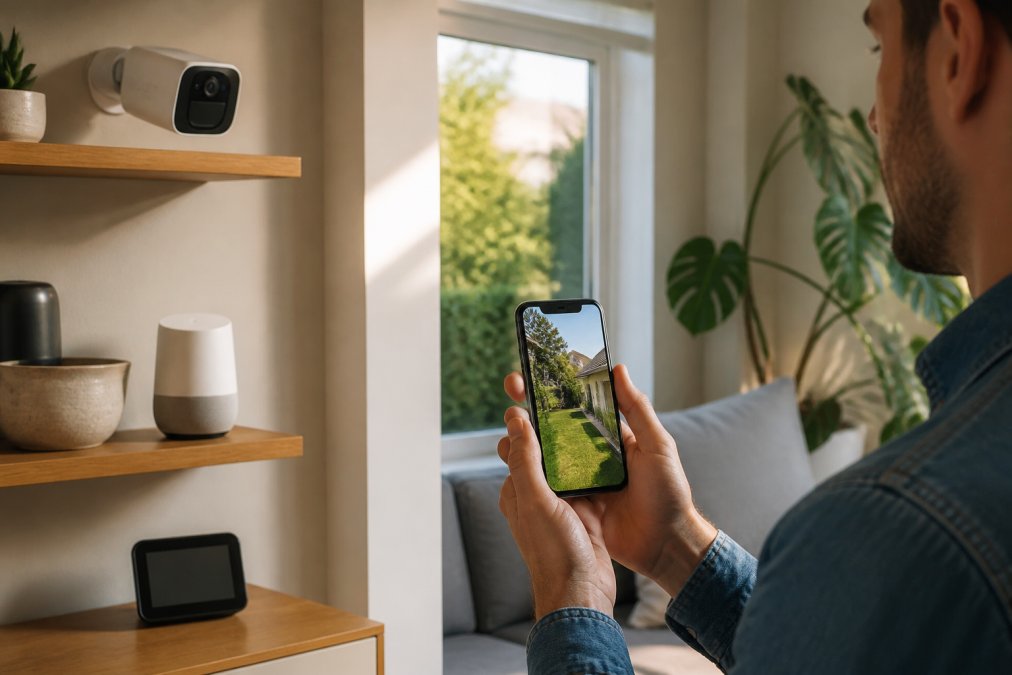
The market offers three distinct approaches: professional monitoring (agents dispatch within seconds), self-monitored (alerts to your phone), and hybrid (choose per event). Here's what actually delivers results.
SimpliSafe: Best for Professional Monitoring
SimpliSafe ranked as the top-rated professionally monitored home security system in 2026, scoring 79 out of 100 according to Consumer Reports' 2026 home security systems ranking. Monitoring center agents respond within 20 seconds of a triggered alarm, and two-way audio is clear enough to deter intruders.
The bundle includes door and window sensors, a motion sensor, keypad, and base station. SimpliSafe's 'Intruder Intervention' and 'Active Guard' features let monitoring agents speak directly through your cameras and sirens, creating a deterrent effect that DIY systems can't replicate. Monthly monitoring starts at $25, significantly more affordable than traditional alarm companies. Equipment is wireless, so installation takes under an hour without drilling or running cables.
Eufy: Best Self-Monitored Bundle
Eufy earned top marks in the self-monitored category from Consumer Reports for pricing transparency and value. Self-monitored means no monthly monitoring fees, you get alerts on your phone and decide whether to call police. This approach cuts your annual costs by $300+ compared to professional monitoring.
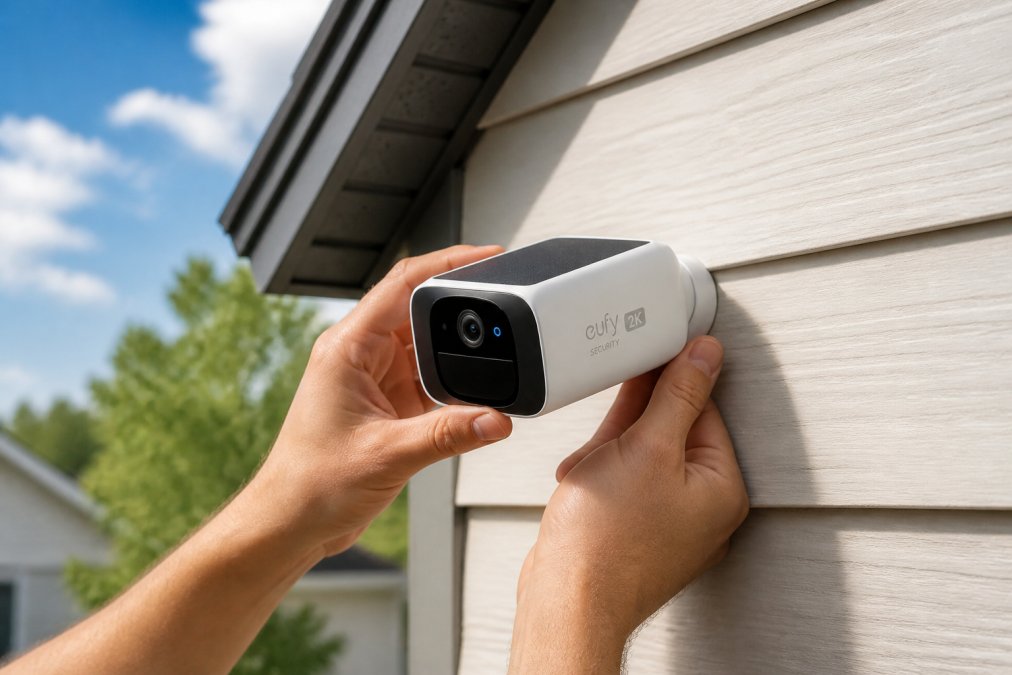
The bundle includes wireless cameras, door/window sensors, a hub, and motion detection with AI person and package recognition. The cameras record to local storage or cloud backup. TechyDealy carries the Wireless 2K Outdoor Solar Security Camera at $138.38. The solar panel eliminates battery changes, and setup takes 20 minutes.

Vivint: Best for Smart Home Integration
Vivint provides one of the most polished experiences for building out a smart home security ecosystem over time. You start with a basic package and add devices incrementally, smart locks, video doorbells, thermostats, or additional cameras. Professional monitoring starts at $25 per month and includes video storage.
Vivint's strength is ecosystem flexibility. You can add a Waterproof Smart Lock - Fingerprint, Password & Card Access from TechyDealy at $143.99, and Vivint's system recognizes it seamlessly. The catch is that Vivint requires professional installation in most markets, adding $100-300 to your initial cost.

DIY Home Security System Installation: What You Need to Know
DIY installation has become the default for home security bundles. Most systems use wireless sensors that communicate via Wi-Fi or cellular backup, eliminating the need for professional technicians or complex wiring. Typical installation takes 30-90 minutes.
You mount door and window sensors with adhesive strips, place motion sensors in corners, plug in the hub, and configure the mobile app. According to Grand View Research's 2026 Smart Home Security Market report, the wireless segment held 65.0% of the market revenue share in 2025, reflecting consumer preference for quick, non-invasive installation.
Battery backup matters more than people realize. Most modern bundles include 24-36 hours of battery backup on the hub, enough to maintain connectivity through typical outages. Sensors run on AA or AAA batteries that last 2-3 years.
Professional vs Self-Monitored Security Systems
Professional monitoring means a 24/7 monitoring center receives alerts and dispatches police immediately. Response time is typically 20-40 seconds from alarm trigger to agent pickup. This costs $20-40 per month.
Self-monitored systems cost $0-10 per month for cloud storage and app access. You receive real-time alerts and can check camera feeds instantly, but you're responsible for calling police. According to SafeHome.org, 87% of users say home security increases their peace of mind, regardless of monitoring type.
Cost over three years clarifies the decision. A professional monitored system costs roughly $900 in monitoring fees over 36 months, plus equipment. A self-monitored system costs $200-400 in cloud storage and app fees. You're essentially choosing between $900 for peace of mind or $300 for flexibility.
| Monitoring Type | Monthly Cost | Response Time | Best For | Limitation |
|---|---|---|---|---|
| Professional | $25-40 | 20-40 seconds | Occupied homes, peace of mind | Higher cost, contract commitment |
| Self-Monitored | $0-10 | Depends on you | Renters, budget-conscious, tech-savvy users | Requires manual response |
| Hybrid | $15-25 | 20-40 seconds + manual | Flexibility, selective monitoring | Slightly higher cost than pure self-monitored |
Smart Home Security Monitoring Costs: Breaking Down Monthly Fees
Professional monitoring typically runs $25-40 per month, covering 24/7 monitoring center access, two-way voice communication, and police dispatch. Video storage is the hidden cost many shoppers overlook, typically $5-15 per month depending on resolution, retention period, and number of cameras.
Self-monitored systems eliminate monitoring fees but may charge for cloud storage. Eufy offers free local storage on the hub and optional cloud backup at $3-5 per month.
Over three years, a professional monitored system with two cameras costs roughly $1,200-1,800. A self-monitored system with the same cameras costs $600-1,000. The difference is substantial, but professional monitoring adds the human response element that some households prioritize.
Key Features to Compare in Security Bundles
Door and window sensors are non-negotiable, they detect entry points and trigger alarms instantly. Motion sensors add interior coverage, though pet-immune sensors prevent false alarms from animals.
Video doorbell integration lets you see who's at your door before they enter and speak to visitors remotely. This single feature prevents package theft and unwanted entry.
Night vision capability determines camera usefulness after dark. Infrared night vision works reliably up to 30 feet. Field of view determines coverage: a 120-degree field covers a typical doorway; 180-degree covers an entire porch.
Encryption and two-factor authentication protect your footage. Look for AES-256 encryption for stored footage and TLS encryption for data in transit. End-to-end encryption means even the security company can't access your footage without your encryption key.
Real-time alerts should arrive within seconds of motion detection or door opening. Test this during setup by triggering sensors and watching alert arrival times.
Smart Home Compatibility and Integration
Smart home integration determines whether your security system feels unified or like separate apps. The best bundles work seamlessly with Amazon Alexa, Google Home, and Apple HomeKit.
According to Security.org's 2026 DIY Home Security Systems Market Report, 63% of home security shoppers already use at least one smart home platform, with Amazon Alexa at 38% and Google Home at 24%. SimpliSafe integrates with Alexa and Google Home. Eufy works with Alexa and HomeKit. Vivint supports multiple platforms and adds smart lock integration.
Matter compatibility is emerging as the standard for smart home interoperability. Matter lets devices from different manufacturers work together without separate apps or proprietary hubs.
The practical benefit is simple: one app controls security, lighting, locks, and thermostats. Integration also affects resale value, homes with integrated smart home security systems are more attractive to buyers.
Cybersecurity and Data Privacy in Smart Home Systems
Privacy concerns are legitimate. According to SafeHome.org, 37% of users worry about who might access their footage, even though 87% say home security increases their peace of mind.
The strongest defense is end-to-end encryption, which means footage is encrypted on your device before leaving your home. Only your device can decrypt it. Local storage is another privacy approach, store footage on a hub or SD card in your home instead of uploading to the cloud.
Two-factor authentication requires a second verification step beyond your password, preventing account takeovers. Regular firmware updates patch security vulnerabilities. Check whether your bundle includes automatic updates before purchasing.
Data retention policies determine how long the company keeps your footage. Most companies retain footage for 30-90 days. Shorter retention periods reduce breach exposure risk.
The MOMAX PinGuard available at TechyDealy for $93.99 detects hidden cameras in spaces you don't control, protecting you from surveillance in hotel rooms or Airbnbs.
The best smart home security bundle depends on your priorities. If you want professional response and peace of mind, SimpliSafe delivers. If you're budget-conscious and tech-comfortable, Eufy offers exceptional value. If you're building a larger smart home ecosystem, Vivint's integration flexibility justifies its cost.
At TechyDealy, we specialize in helping homeowners find security solutions that match their specific needs. Our curated selection includes the Wireless 2K Outdoor Solar Security Camera and smart locks designed for seamless integration with any bundle. Shop our smart home security collection with complimentary ground shipping and hassle-free returns, because your home's security shouldn't come with the stress of complicated purchasing.
=== FAQ ANSWERS (audit these too, same rules) ===
[1] Q: What is the best smart home security bundle for 2026? A: SimpliSafe leads as the top-rated professionally monitored bundle, scoring 79 out of 100 with Consumer Reports for ease of use and value. For self-monitored systems, Eufy excels with transparent pricing and strong customer support. Your best choice depends on whether you prefer 24/7 professional monitoring or want to manage alerts yourself. SimpliSafe offers intruder intervention where agents can speak through your camera within 20 seconds of detecting motion.
[2] Q: Do I need professional monitoring for a smart home security bundle? A: No. You can choose between professional monitoring (24/7 agent response, typically $25-50/month) or self-monitoring (you receive alerts and respond). Professional monitoring provides faster emergency dispatch and peace of mind if you're away. Self-monitoring saves money monthly but requires you to check alerts and contact authorities. Consumer data shows 49% of users now install DIY systems themselves, with 42% hiring professionals, both approaches work depending on your preferences and lifestyle.
[3] Q: How much should I budget for smart home security monitoring costs? A: Professional monitoring typically costs $25-50 per month. Vivint's professional monitoring starts at $25/month and includes video storage. Self-monitored systems like Eufy have no recurring fees, you pay once for hardware ($138+ for cameras). Total first-year costs range from $200-500 for DIY bundles to $600-1,000+ for professionally installed systems with monitoring. Factor in potential equipment upgrades: motion sensors ($20-50 each), door/window sensors ($15-40 each), and smart locks ($140-300+).
[4] Q: What smart home platform should I choose for compatibility? A: 63% of home security shoppers already use at least one smart home platform. Amazon Alexa is most popular at 38%, followed by Google Home at 24%. Check if your bundle supports your existing platform before buying. Matter support is expanding, Samsung's SmartThings now supports Matter camera functionality. Ensure the system's mobile app works smoothly with your phone and that voice control integrates with your preferred assistant for seamless automation.
[5] Q: Are wireless smart home security systems reliable? A: Yes. The wireless segment dominated 2025 with 65% market revenue share and continues leading into 2026. Wireless systems eliminate installation complexity, support battery backup for power outages, and offer cellular backup for internet outages. Solar-powered cameras like the Wireless 2K Outdoor Solar Security Camera provide continuous operation without battery changes. Wireless bundles are ideal for renters and those avoiding permanent installation. Ensure your system has encrypted connections and two-factor authentication to prevent unauthorized access.
Frequently Asked Questions
What is the best smart home security bundle for 2026?
SimpliSafe leads as the top-rated professionally monitored bundle, scoring 79 out of 100 with Consumer Reports for ease of use and value. For self-monitored systems, Eufy excels with transparent pricing and strong customer support. Your best choice depends on whether you prefer 24/7 professional monitoring or want to manage alerts yourself. SimpliSafe offers intruder intervention where agents can speak through your camera within 20 seconds of detecting motion.
Do I need professional monitoring for a smart home security bundle?
No. You can choose between professional monitoring (24/7 agent response, typically $25-50/month) or self-monitoring (you receive alerts and respond). Professional monitoring provides faster emergency dispatch and peace of mind if you're away. Self-monitoring saves money monthly but requires you to check alerts and contact authorities. Consumer data shows 49% of users now install DIY systems themselves, with 42% hiring professionals, both approaches work depending on your preferences and lifestyle.
How much should I budget for smart home security monitoring costs?
Professional monitoring typically costs $25-50 per month. Vivint's professional monitoring starts at $25/month and includes video storage. Self-monitored systems like Eufy have no recurring fees, you pay once for hardware ($138+ for cameras). Total first-year costs range from $200-500 for DIY bundles to $600-1,000+ for professionally installed systems with monitoring. Factor in potential equipment upgrades: motion sensors ($20-50 each), door/window sensors ($15-40 each), and smart locks ($140-300+).
What smart home platform should I choose for compatibility?
63% of home security shoppers already use at least one smart home platform. Amazon Alexa is most popular at 38%, followed by Google Home at 24%. Check if your bundle supports your existing platform before buying. Matter support is expanding, Samsung's SmartThings now supports Matter camera functionality. Ensure the system's mobile app works smoothly with your phone and that voice control integrates with your preferred assistant for seamless automation.
Are wireless smart home security systems reliable?
Yes. The wireless segment dominated 2025 with 65% market revenue share and continues leading into 2026. Wireless systems eliminate installation complexity, support battery backup for power outages, and offer cellular backup for internet outages. Solar-powered cameras like the Wireless 2K Outdoor Solar Security Camera provide continuous operation without battery changes. Wireless bundles are ideal for renters and those avoiding permanent installation. Ensure your system has encrypted connections and two-factor authentication to prevent unauthorized access.
This article was written using GrandRanker