

Table of Contents
- Open Box vs Refurbished: The Core Difference
- What Does Open Box Mean?
- What Does Refurbished Mean?
- Condition Grading: How to Read the Label Before You Buy
- Open-Box Electronics Warranty and Return Policies by Seller Type
- How to Buy Refurbished Electronics Without Getting Burned
- Which One Should You Pick?
- Frequently Asked Questions
Last Updated: October 9, 2026
Open Box vs Refurbished: The Core Difference
The open box vs refurbished difference comes down to history: an open-box item was typically bought and returned unused or barely used, while a refurbished item was returned, inspected, and often repaired before resale. That distinction sounds clean. In practice, it isn't.
We field questions about this constantly from shoppers hunting laptops, monitors, and gaming gear. The honest answer is that neither label carries a legal definition enforced across the retail industry. A returned item and a refurbished unit can describe the same physical product on two different storefronts. The label tells you what the seller chose to call it, not what happened to the device.
Why the Labels Don't Guarantee a Uniform Condition
No federal rule forces retailers to use "open box" or "refurbished" the same way. The FTC's guidance on used merchandise and altered articles addresses deceptive claims about condition, but it does not standardize the terms themselves.
What that means for you: a "certified refurbished" laptop from one seller and an "open box" laptop from another could arrive in identical shape. Or they could be worlds apart. The label is a starting point, not a guarantee. Always read the seller's condition grading, testing notes, warranty, and return terms before you buy.
What Does Open Box Mean?
Open box describes a product whose packaging has been opened, usually because a customer bought it and returned it. The item is often in like-new or working condition, but it is no longer factory sealed.
Buying open box can mean real savings on electronics that were never really used. It can also mean you inherit someone else's problem.
Common Reasons Items Get Returned
- The buyer changed their mind or ordered the wrong model
- The item was a display model pulled from a showroom floor
- A gift was unwanted or duplicated
- The product was opened, tested, and rejected for a minor reason
Cosmetic wear varies wildly here. Some open-box phones look untouched. Others show scuffs from a showroom counter. Original packaging may be intact, or you may get a plain box with missing accessories. Ask before you assume.
What Does Refurbished Mean?
Refurbished describes a product that was returned, then inspected, tested, and often repaired before being resold. The seller may replace defective parts, recheck the device, and reset it to working condition.
This is where the word "certified" starts doing heavy lifting.
Certified Refurbished vs. Third-Party Refurbished
Manufacturer-certified refurbished units go through the brand's own quality control, often with genuine replacement parts and a limited warranty. Third-party refurbished units depend entirely on the seller's standards, which range from rigorous to barely there.
A common mistake is assuming "certified" means the same thing everywhere. It doesn't. One seller's certification may include a full battery health check and a 90-day guarantee. Another may just mean someone wiped the screen.
Condition Grading: How to Read the Label Before You Buy
Condition grades are the closest thing to a shared language in resale, but no universal standard exists. Each seller defines its own tiers, so the same word can mean different things at different storefronts. Learning to read grades as seller-specific claims, not industry-wide promises, is what protects your wallet.
What the Common Tiers Usually Mean
| Grade | Typical Meaning | What to Expect | What to Verify |
|---|---|---|---|
| Like new / Excellent / A-grade | Little to no signs of use | Full accessories, clean screen, minimal or no scuffs | Whether original packaging is included; battery cycle count |
| Very good / Good / B-grade | Light cosmetic wear | Minor scuffs or scratches, fully functional | Whether wear is on the screen, chassis, or only the underside |
| Fair / Acceptable / C-grade | Visible wear | Noticeable scratches or dents, works well | Whether any functional issues are disclosed, not just cosmetic |
| Poor / For parts / As-is | Significant damage | May need repair, sold without functional guarantee | Whether returns are allowed at all |
Why the Same Grade Means Different Things at Different Sellers
A "good" grade from one seller might permit a hairline scratch on the lid. From another, it might permit a cracked bezel. Sellers set their own thresholds, and some publish a photo guide while others use a single sentence. Before you compare two listings, compare the sellers' grading definitions side by side, not just the grade labels.
A few practical translation rules help:
- Treat the grade as a ceiling, not a floor. A "like new" listing is the seller's best-case description, not a guarantee the item is indistinguishable from new.
- Weight functional disclosures more than cosmetic ones. A disclosed battery replacement or screen swap tells you more about the device's history than a scuff description.
- Ask for photos of the actual unit when the grade is "good" or lower. Stock photos tell you nothing about the specific item you'll receive.
- Check whether the grade applies to the device, the accessories, or both. Some sellers grade the device as "excellent" while shipping a generic charger and no original cable.
How Grading Interacts With the Open-Box vs. Refurbished Label
An open-box item is often graded on cosmetic condition alone, because the assumption is that it was returned unused. A refurbished item is usually graded on both cosmetic condition and functional testing. That means a "good" refurbished laptop may have been fully tested and repaired, while an "excellent" open-box laptop may have no testing history at all.
The grade matters more than the label on the box. A "good" refurbished laptop with a documented battery health check beats an "excellent" open-box unit with no testing history.
Open-Box Electronics Warranty and Return Policies by Seller Type
Warranty coverage is where open box and refurbished diverge most, and it's the factor buyers overlook until something breaks. The FTC's consumer advice on warranty rights explains what protections you're entitled to, but the terms you actually get depend on the seller, not on the label printed on the listing.
That's the key point most buyers miss: neither "open box" nor "refurbished" carries an automatic warranty. Coverage is a seller-specific promise, and it can range from a full manufacturer warranty to nothing at all.
| Seller Type | Typical Warranty | Return Window | Who Honors the Warranty |
|---|---|---|---|
| Big-box retailer | Manufacturer or store warranty | Often 15-30 days | Manufacturer or the retailer |
| Manufacturer direct (certified refurbished) | Limited warranty, often 90 days to 1 year | Varies by brand | The manufacturer |
| Third-party reseller | Seller-backed, if any | Short or none | The reseller, if it's still in business |
| Marketplace seller | Depends on the individual | Read carefully | Often unclear |
What to Verify Before You Pay
A warranty is only as good as the details behind it. Before checkout, confirm each of these in writing, chat transcript, order confirmation, or the listing itself:
- Length of coverage, 30 days, 90 days, one year, or none. Get the number, not "limited warranty."
- Who honors it, the manufacturer, the retailer, or the reseller. A reseller-backed warranty is only useful if the reseller is still operating when the device fails.
- What's covered, parts, labor, shipping both ways, or just parts. Battery degradation is often excluded even when the device itself is covered.
- How to file a claim, phone, portal, or email, and whether you need the original order number.
- Return window and restocking fees, some sellers charge a restocking fee on opened electronics, which can erase your savings.
- Who pays return shipping, a $40 return label on a $200 device changes the math.
Why the Label Doesn't Guarantee Coverage
A retailer may honor the original manufacturer warranty on an open-box item, especially if the product was never registered. A third-party reseller may offer only a short seller guarantee. A marketplace seller may offer nothing beyond the platform's standard buyer protection. None of these outcomes is wrong, but the difference decides how much risk you carry.
The Value Question Behind the Warranty
A longer warranty isn't automatically better if it costs more than the risk it covers. Compare the upfront price plus the cost of a likely repair against the price of a new unit with a full warranty. For a laptop, a battery replacement out of pocket can run into the low hundreds; for a phone, a screen repair can approach the price of a used replacement. If the refurbished unit's savings don't exceed those likely costs, the warranty math favors buying new.
How to Buy Refurbished Electronics Without Getting Burned
Buying refurbished electronics safely means verifying the seller, the testing process, and the return terms before you pay. The device matters, but the seller's standards matter more.
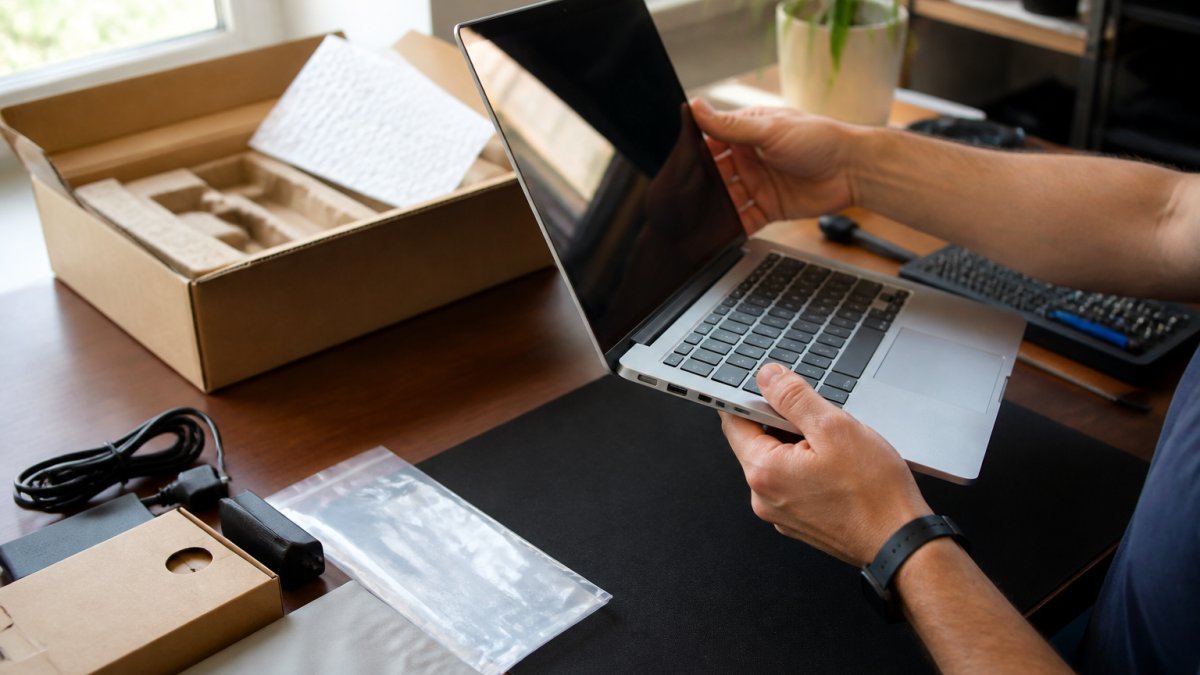
A Pre-Purchase Inspection Checklist
- Confirm the exact condition grade in writing
- Ask what testing was performed and whether defective parts were replaced
- Check battery health or cycle count for phones and laptops
- Verify the warranty length and who honors it
- Read the return policy, including who pays return shipping
- Confirm all original accessories and packaging are included
- Ask whether the device was factory reset and cleared of the previous owner's data
That last point matters more than most shoppers realize. A device that wasn't properly reset can carry the previous owner's accounts or data. Ask the seller to confirm a full factory reset before shipping.
Which One Should You Pick?
Choose open box when you want a barely-used item at a discount and the seller offers a solid return window. Choose refurbished when you want documented testing and a warranty, especially for higher-value electronics.
Here's the practical split:
- Open box works well for accessories, monitors, and items with a generous return policy
- Refurbished suits laptops, phones, and gaming gear where testing and warranty coverage reduce risk
- Certified refurbished is the safer bet when the manufacturer backs the warranty directly
The gap between the two labels is smaller than the marketing suggests. What actually protects you is the seller's testing standard, warranty, and return policy, not the word printed on the listing.
Frequently Asked Questions
What is the difference between open-box and refurbished electronics?
Open-box items are typically returns that were never used or only lightly used, still in or near original packaging. Refurbished items have been inspected, tested, and sometimes repaired by the seller or manufacturer before resale. Neither label guarantees a uniform condition or process across sellers, so always check the seller's grading, testing, warranty, and return terms before buying.
Is open-box better than refurbished?
It depends on your priorities. Open-box electronics often cost less and arrive in near-original condition, but they may lack a full manufacturer warranty. Refurbished items go through inspection and testing, and certified refurbished units usually include a limited warranty. If warranty coverage matters most, refurbished is the safer pick. If you want the lowest price and the item looks untouched, open-box can be the better value.
Do open-box and refurbished products come with a warranty?
Warranty coverage varies by seller type. Manufacturer-certified refurbished products usually include a limited warranty, often 90 days to one year. Open-box electronics warranty coverage depends on the retailer: some pass through the original manufacturer warranty, while others offer only a short store-backed guarantee. Always confirm the warranty length, what it covers, and who handles claims before you purchase.
What should I check before buying an open-box or refurbished device?
Ask about the product grade and cosmetic wear, confirm what inspection and testing was performed, and verify whether original packaging and accessories are included. Check the warranty terms and return window, and confirm the device was factory reset so no previous owner data remains. For phones and laptops, request battery health details if available.
The real challenge isn't choosing between open box and refurbished. It's finding a seller whose standards you can trust. At TechyDealy, we make that easier with complimentary ground shipping on every order, a hassle-free return policy that refunds your full purchase price, and a curated selection of reliable laptops, gaming gear, and smart home gadgets. Shop Smart Essentials and buy with confidence.