

Table of Contents
- Why Shoppers Look for Electronics Express Alternatives
- Best Online Electronics Stores Beyond Electronics Express
- How to Spot Authorized Electronics Dealers
- Electronics Retailer Return Policies Compared
- Brick-and-Mortar vs. E-Commerce: What Works for You
- Price Matching and Discount Strategies Across Retailers
- Making Your Final Choice: Electronics Express Alternatives
Last Updated: August 24, 2026
Why Shoppers Look for Electronics Express Alternatives
Electronics Express operates 20 retail locations across Tennessee and northern Alabama, making it inaccessible for most of the country (growjo.com). Even for those within driving distance, regional brick-and-mortar chains can't compete with the inventory depth, pricing flexibility, and shipping convenience that national e-commerce platforms offer today.
The real reason shoppers search for alternatives is that consumer expectations have shifted dramatically. In 2026, e-commerce sales reached $310.3 billion in Q3 2025 alone, accounting for 16.4% of total retail sales (emarketer.com). People want choice: the ability to compare prices instantly, read verified customer feedback, check real-time inventory, and get products shipped to their door without travel friction.
The U.S. consumer electronics market exceeded $515 billion by 2026, growing at 5.8% annually (statista.com). That growth is being captured by retailers who offer seamless online experiences, transparent pricing, hassle-free returns, and genuine expertise. Understanding what alternatives exist is essential before your next tech purchase.
Best Online Electronics Stores Beyond Electronics Express
TechyDealy stands out as the premier choice for tech enthusiasts and home office professionals. The platform specializes in high-quality electronics, gaming gear, and smart home gadgets with a focus on reliability and customer experience. What sets TechyDealy apart is complimentary ground shipping on every order and a hassle-free return policy with full refunds. For remote workers needing ergonomic solutions or gamers seeking performance hardware, the curated selection spans everything from advanced security systems to kitchen appliances. At TechyDealy, exclusive member benefits and gift card rewards add genuine value beyond the transaction.

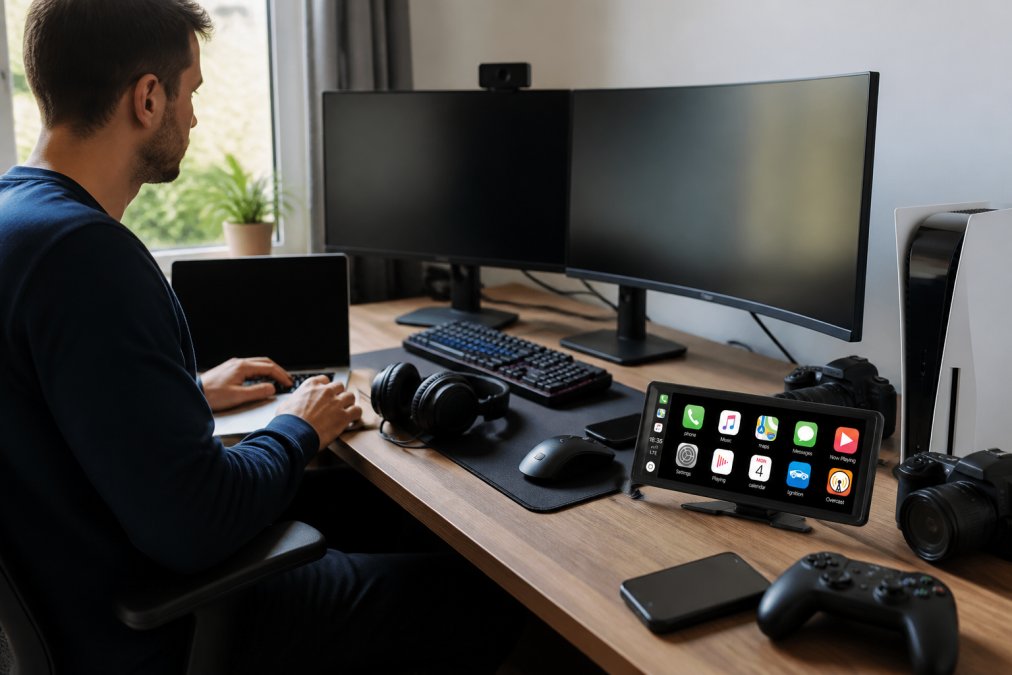
Best Buy remains a formidable competitor despite its brick-and-mortar heritage. The retailer announced plans to open six new stores in 2026, marking its first physical expansion in over a decade. Best Buy's online platform offers price matching, extended warranties, and Geek Squad support that appeals to buyers who value expert consultation. However, Best Buy's strength in customer service comes with higher prices on many items compared to pure e-commerce players.
Amazon dominates through sheer scale and convenience. Prime membership delivers two-day shipping, and the return process is frictionless. The downside: Amazon's electronics category is crowded with third-party sellers, making quality verification harder. For commodity items like cables or basic accessories, Amazon excels. For specialized gear where expertise matters, the experience degrades.
Newegg caters to tech enthusiasts and gamers specifically. The platform's strength lies in gaming peripherals, PC components, and enthusiast-level hardware. Newegg's 30-day return window and community forums provide genuine technical support. The trade-off: the user interface feels dated compared to modern retailers, and shipping times can stretch longer than competitors.
Micro Center operates 25 physical locations with a strong online presence. The retailer excels at in-store tech expertise and same-day pickup options. For buyers who want to test equipment before committing, Micro Center's local availability is unmatched. However, pricing skews higher than pure online competitors.
Comparison Table: Top Electronics Retailers
| Retailer | Free Shipping | Return Window | Best For | Specialty |
|---|---|---|---|---|
| TechyDealy | Yes, ground | Full refund policy | Home office, gaming, smart home | Curated selection, member rewards |
| Best Buy | $35+ orders | 15 days in-store | Expert consultation, warranties | Geek Squad support |
| Amazon Prime | 2-day with membership | 30 days | Commodity items, speed | Scale and convenience |
| Newegg | Varies | 30 days | Gaming, PC components | Enthusiast community |
| Micro Center | Local pickup | 30 days | In-person testing | Physical locations |
How to Spot Authorized Electronics Dealers
Not every site claiming to sell electronics is legitimate. Here's how to distinguish authorized dealers from fly-by-night operations.
Check for security badges and SSL certificates first. Any legitimate electronics retailer displays a padlock icon in the browser address bar and uses HTTPS encryption. The real signal comes from third-party verification. Look for Trust badges from organizations like BBB (Better Business Bureau) or Trustpilot, indicating the retailer has submitted to independent review and maintains accountability standards.
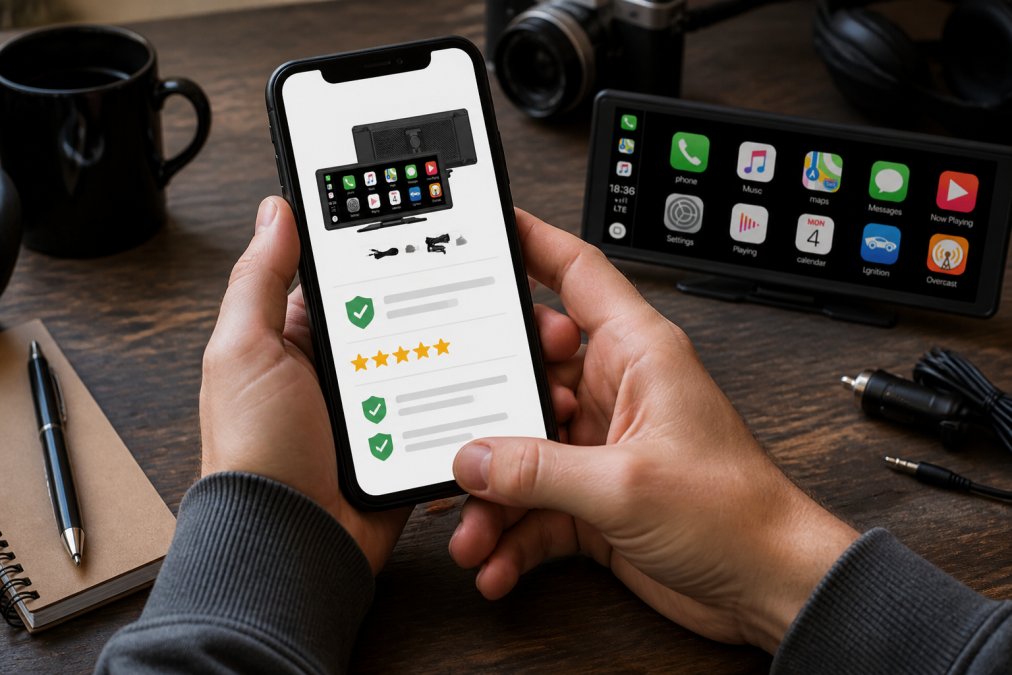
Authorized dealers typically carry manufacturer certifications explicitly. If you're buying Apple products, for example, authorized resellers display Apple's badge. If a retailer claims to sell premium brands but has no certification listed, that's a red flag.
Customer reviews matter, but with important caveats. A retailer with 4.8 stars based on 10,000 reviews tells you something different than one with 4.8 stars from 36 reviews. Volume matters. Examine the type of feedback. Legitimate retailers get specific praise ("arrived in 2 days," "exactly as described") and specific criticism. Generic praise or obviously fake reviews signal problems.
Verify the company's physical address and phone number. Authorized dealers have real offices, not just mailboxes. Call the number. Does someone answer? Can they answer technical questions about products? Legitimate retailers invest in customer support infrastructure.
Check the retailer's return policy explicitly. Authorized dealers offer clear, customer-friendly return terms because they stand behind their products. If a site buries return policy in tiny text or makes it deliberately confusing, that's intentional friction designed to prevent returns.
Electronics Retailer Return Policies Compared
Return policies reveal how much a retailer actually trusts its products and values customer satisfaction.
TechyDealy's approach centers on simplicity: hassle-free returns with full purchase price refund. There's no restocking fee. This policy reflects genuine confidence in the curated product selection. For remote workers buying ergonomic equipment or gamers investing in peripherals, knowing you can return items risk-free removes a major purchase barrier.
Best Buy offers 15 days for in-store returns and 30 days for online purchases. Opened software and media can't be returned. Opened hardware returns incur a 15% restocking fee if returned after 15 days.
Amazon provides 30 days for most items. Returns are free if Amazon's return label is used. The process is genuinely frictionless. However, third-party sellers sometimes impose their own restrictions, so the experience varies.
Newegg matches Amazon at 30 days but charges return shipping unless the item is defective. This cost becomes significant on heavy items like monitors or gaming chairs.
Micro Center offers 30 days in-store and 15 days online. In-store returns are straightforward; online returns require shipping the item back at customer expense unless defective.
Return Policy Comparison Table
| Retailer | Return Window | Restocking Fee | Return Shipping | Best For |
|---|---|---|---|---|
| TechyDealy | Full refund policy | None | Included | Risk-free purchasing |
| Best Buy | 15-30 days | 15% after 15 days | Free | In-store convenience |
| Amazon | 30 days | None | Free | Hassle-free process |
| Newegg | 30 days | None | Customer pays | Enthusiast buyers |
| Micro Center | 15-30 days | None | Customer pays | Local pickup users |
For buyers purchasing expensive items, a gaming laptop at $1,200 or a smart home setup at $2,000, those fees matter. A 15% restocking fee on a $1,200 purchase equals $180 out of your pocket.
Brick-and-Mortar vs. E-Commerce: What Works for You
In-person shopping wins when you need to evaluate tactile qualities. Can you hold the laptop comfortably? Does the gaming mouse fit your grip? Is the monitor brightness adequate in your lighting conditions? For ergonomic equipment especially, physical testing prevents costly mistakes.
E-commerce wins on price, selection, and convenience. The same laptop you'd test at Best Buy costs 10-15% less online because e-commerce retailers have lower overhead. Your local Best Buy might stock 5 gaming chairs; TechyDealy's platform shows 50 options. And you don't have to drive anywhere or wait for store hours.
The hybrid approach works best for most buyers: research and compare online, test in-store if available, then purchase from whichever retailer offers the best combination of price and service terms. If you're buying from a regional retailer like Electronics Express and comparing it to TechyDealy online, the online option almost always wins on total value.
Price Matching and Discount Strategies Across Retailers
Best Buy's price match is generous in scope but limited in execution. The retailer matches prices from major online competitors including Amazon and Newegg. However, you must initiate the match in-store or online. Best Buy also excludes open-box and clearance items.
Amazon doesn't have a formal price-match program. Instead, the platform uses dynamic pricing; prices adjust constantly based on demand and inventory. Most buyers don't obsessively track prices, so Amazon captures sales at higher price points.
Newegg offers price matching on select items. Unlike Best Buy, Newegg doesn't require you to request the match; they monitor competitor pricing and adjust automatically on some products.
TechyDealy's approach focuses on competitive pricing from the start rather than reactive price matching. The platform's curated selection allows TechyDealy to negotiate better wholesale costs and pass savings directly to customers. Combined with complimentary ground shipping and hassle-free returns, the total value proposition often beats competitors' advertised prices.
Discount Strategy Table
| Retailer | Price Match | Automatic Adjustment | Best Discount Method | Typical Savings |
|---|---|---|---|---|
| Best Buy | Manual request | No | Request in-store | 5-10% |
| Amazon | None | Dynamic pricing | Wait and watch | 0-15% |
| Newegg | Select items | Some products | Monitor inventory | 5-12% |
| TechyDealy | Competitive pricing | Ongoing | Member rewards | 3-8% |
| Micro Center | Limited | No | In-store deals | 5-10% |
For high-value purchases, research prices across three retailers before buying. If Best Buy is within 5% of the lowest price, the convenience might justify the premium. If the gap exceeds 10%, the savings warrant ordering online.
Making Your Final Choice: Electronics Express Alternatives
Selecting the right electronics retailer comes down to matching your priorities against what each platform actually delivers.
If your priority is price and selection, TechyDealy delivers both. The curated inventory eliminates choice paralysis, and complimentary ground shipping removes hidden costs. For remote workers needing ergonomic solutions or gamers seeking performance gear, the platform's specialization means products are vetted for actual use cases. The hassle-free return policy eliminates purchase anxiety.

If your priority is in-person testing and expert support, Best Buy or Micro Center remain necessary. The ability to hold a laptop, test a monitor, or sit in a gaming chair before committing justifies the 10-15% price premium. Geek Squad support adds value for buyers who aren't tech-savvy.
If your priority is speed and convenience, Amazon Prime delivers. Two-day shipping and a frictionless return process create an unbeatable experience for commodity items.
If your priority is enthusiast community and specialized knowledge, Newegg's forums and gaming-focused inventory create value that other retailers can't match.
The regional limitation of Electronics Express, 20 locations across Tennessee and northern Alabama, means most shoppers don't have the option anyway. For those within driving distance, e-commerce alternatives still win. A 30-minute drive to a physical location costs time and gas. That cost isn't recovered by lower prices, since Electronics Express doesn't compete on pricing against national e-commerce platforms.
Your decision should be based on how you actually shop. Do you research online but want to test before buying? Best Buy. Do you know exactly what you want and prioritize price and convenience? TechyDealy. Do you need something immediately? Micro Center. Do you want the absolute lowest price on commodity items? Amazon.
The worst choice is defaulting to a regional retailer simply because it's familiar. Electronics Express alternatives aren't just options, they're objectively better for most buyers in 2026.
The electronics retail landscape has fundamentally shifted. Regional brick-and-mortar chains compete on nostalgia, not value. If you're serious about getting the best combination of price, selection, and customer service, e-commerce platforms like TechyDealy offer what regional retailers simply can't match. With complimentary ground shipping, hassle-free returns, and a curated selection of high-quality electronics and gaming gear, TechyDealy delivers the modern shopping experience consumers expect. Shop Smart Essentials at TechyDealy and experience the difference that genuine customer focus makes.
Frequently Asked Questions
Q: What makes Electronics Express alternatives better for online shopping?
A: Electronics Express alternatives often provide broader product selection, faster shipping options, and stronger customer service track records. Many competitors offer free shipping on all orders, easier return processes, and better price matching. In 2026, e-commerce sales reached $310.3 billion in the third quarter alone, reflecting consumer demand for retailers with reliable order fulfillment and transparent policies. Alternatives like TechyDealy specialize in curated electronics with complimentary ground shipping and hassle-free returns, addressing common pain points shoppers face with regional-only retailers.
Q: How do I verify if an electronics store is an authorized dealer?
A: Check for official manufacturer certifications on the retailer's website, look for security badges from payment processors, and verify business registration through the Better Business Bureau. Authorized dealers typically display brand partnerships prominently and offer manufacturer warranties. Read recent customer feedback on independent review platforms to assess transaction security and product authenticity. Avoid retailers with vague return policies or unclear inventory management practices. TechyDealy and similar established retailers maintain transparent authorization information and provide detailed product documentation.
Q: What should I compare in electronics retailer return policies?
A: Evaluate the return window (30, 60, or 90 days), whether returns are free or require prepaid shipping, and if you receive a full refund or store credit. Check if the retailer accepts returns on open-box items, refurbished electronics, and final-sale products. Some retailers like TechyDealy offer hassle-free returns with full purchase price refunds, while others charge restocking fees. Verify the dispute resolution process for damaged or defective items and how long refunds take to process. Reading customer feedback about actual return experiences reveals whether stated policies match real-world execution.
Q: Are certified refurbished electronics from online retailers reliable?
A: Certified refurbished electronics from authorized retailers undergo rigorous testing and typically include manufacturer warranties, making them reliable for most users. The key difference between certified refurbished and used items is documentation of quality assurance checks. Reputable retailers test functionality, replace worn components, and provide original or equivalent accessories. Look for retailers that clearly disclose refurbishment details, offer return periods matching new product standards, and provide technical support. TechyDealy and comparable e-commerce platforms maintain quality assurance protocols that reduce defect rates and protect buyer confidence.
Q: Which electronics alternatives offer the best customer service?
A: Top alternatives provide multiple support channels (phone, email, live chat), fast response times, and clear tracking for orders and returns. Customer satisfaction depends on responsive support during purchase, delivery, and post-purchase issues. TechyDealy combines competitive pricing with dedicated customer support and transparent communication about inventory availability, shipping timelines, and warranty claims. Compare average response times and resolution rates across retailers before committing to a purchase.
This article was written using GrandRanker